

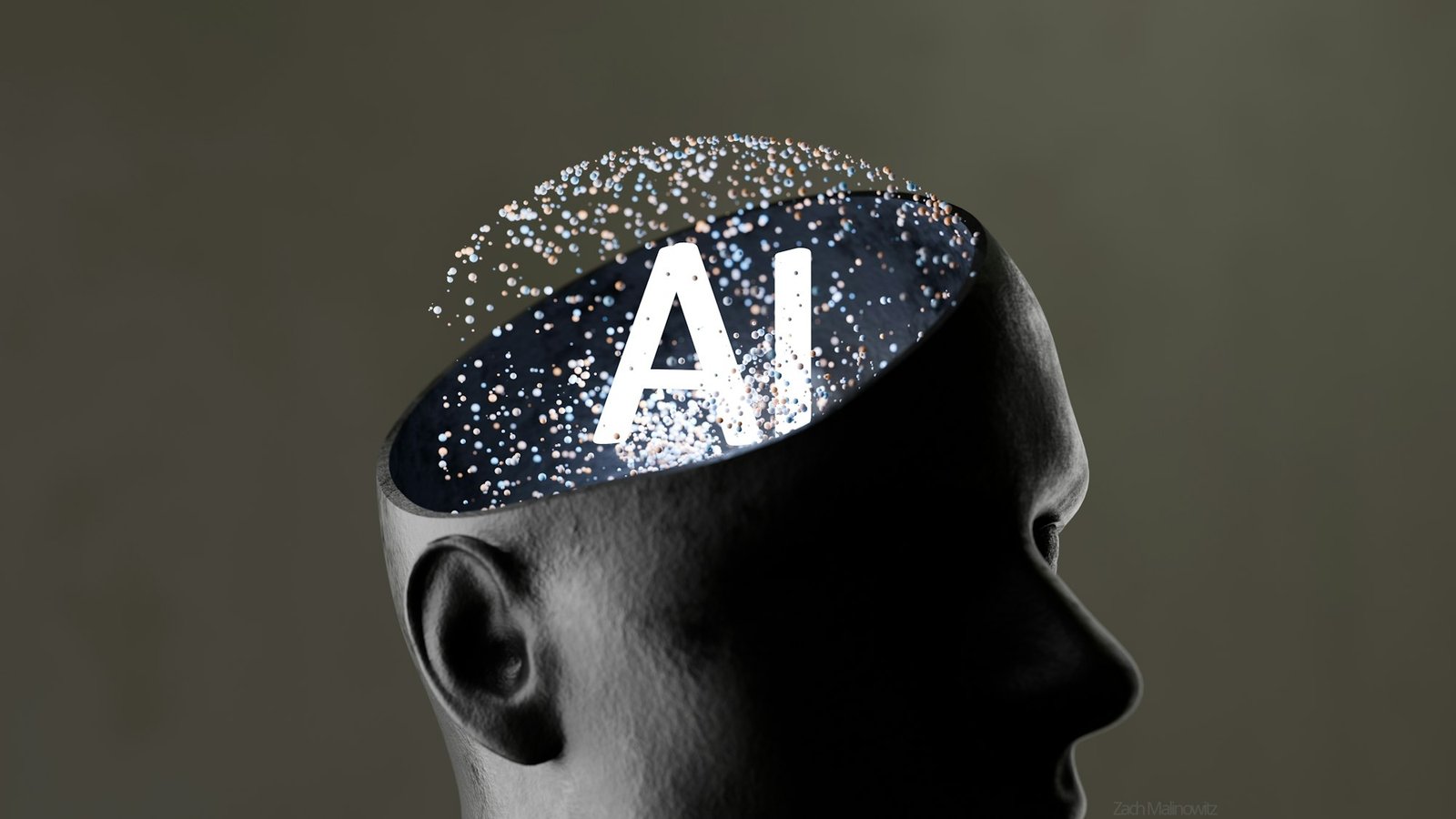
Anthropic is expanding access to its more powerful AI models for security teams, highlighting the growing role of AI in vulnerability research, threat analysis and defensive cybersecurity.
October 7, 2026: Anthropic is expanding access to its more powerful AI models for security teams, reflecting a broader shift in cybersecurity from using AI mainly as an assistant toward using advanced models for complex security research and defensive operations.
The development comes as security organisations face a rapidly changing threat environment. Attackers can use automation and AI to accelerate reconnaissance, analyse information and generate malicious content, while defenders are looking for ways to use the same underlying capabilities to detect vulnerabilities and respond faster.
Why AI is becoming important to security teams
Modern security operations generate enormous amounts of information. Logs, code changes, vulnerability reports, network activity and threat intelligence all need to be examined and correlated.
AI models can help security professionals process that information more quickly; related developments in telecom cybersecurity and digital infrastructure show why secure systems matter. They can summarise large volumes of technical material, explain suspicious code, help researchers reason through vulnerabilities and assist with repetitive investigative tasks.
More powerful models bring more capability and more risk
Giving security teams access to stronger models can improve defensive work, but the same capabilities can create risks if powerful systems are misused. This is why AI companies increasingly need controls around access, including within the broader AI hardware ecosystem, monitoring and the types of security tasks models can perform.
The challenge is particularly difficult because cybersecurity is inherently dual-use. A technique that helps a defender understand a vulnerability can also help an attacker discover or exploit one.
The role of human security professionals
AI does not remove the need for experienced security teams. Security decisions often depend on organisational context, risk tolerance and knowledge of the environment being protected.
A model may identify a suspicious pattern, but a security engineer still needs to determine whether it represents a genuine threat, what systems could be affected and what response is appropriate.
What enterprises should consider
Businesses adopting AI for security should establish clear controls before giving models access to sensitive systems or data. Permissions should be limited to what is necessary, important actions should be logged and high-impact changes should remain subject to human approval.
Security teams should also evaluate where AI produces measurable benefits. Good candidates include alert triage, vulnerability research, code review, documentation and threat-intelligence analysis.
AI is changing the cybersecurity skills mix
As routine analysis becomes easier to automate, security professionals may spend more time validating AI findings, designing controls, investigating unusual activity and making risk-based decisions.
This creates demand for professionals who understand both traditional security principles and AI behaviour and practical AI applications. The ability to evaluate model output critically will become an increasingly important security skill.
What happens next
The expansion of AI access for security teams is likely to continue as models become better at reasoning over code and technical systems. The critical question will be whether organisations can capture the productivity benefits without allowing automation to introduce new security weaknesses.
Source: Economic Times Tech, October 7, 2026.
Related Reading


One thought on “Anthropic Opens Powerful AI Models to More Security Teams as AI-Assisted Cybersecurity Expands”