

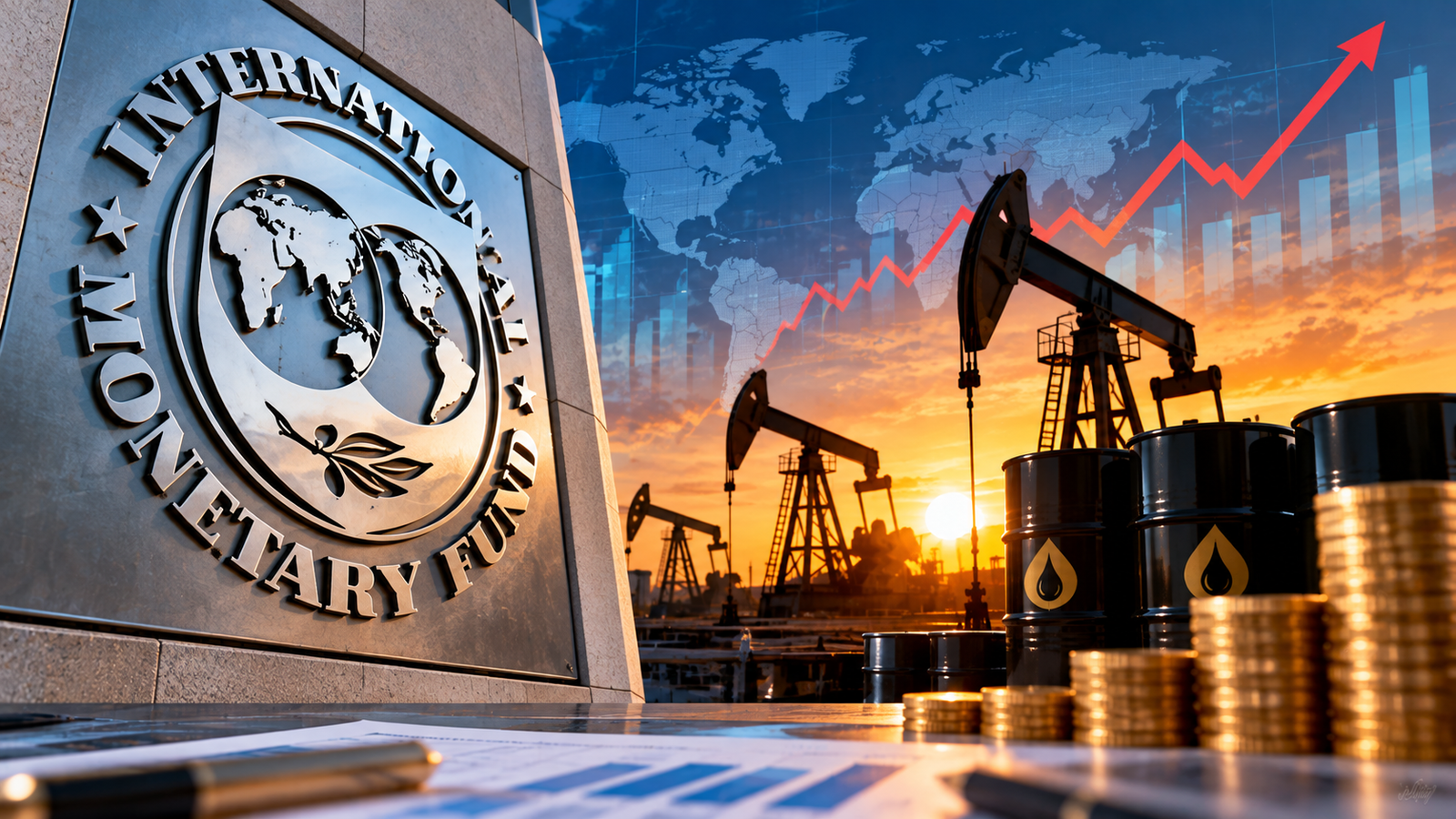
The IMF says AI infrastructure spending is supporting global growth, while warning that the technology could reshape employment, education and the distribution of economic gains.
Global economy | Updated October 13, 2026
The International Monetary Fund’s October outlook puts global growth in 2026 at 3.1%, while warning that conflict, higher energy costs and rising public debt could weaken the outlook. Investment in artificial-intelligence infrastructure is supporting activity in some economies, but the gains are uneven and could be offset if geopolitical risks or financial vulnerabilities intensify.
What is supporting growth?
AI-related investment in data centres, computing infrastructure and associated supply chains has been a source of demand. The IMF has also highlighted the resilience of parts of the global economy. However, investment-led growth is not evenly distributed across countries or households, and expectations around technology returns remain uncertain.
What could derail the outlook?
- Energy and geopolitical risks: A prolonged conflict or disruption to Gulf shipping could push energy prices higher and raise costs for households and businesses.
- Public debt: High borrowing needs may leave governments with less room to respond to future shocks.
- Financial-market concentration: Heavy investment and market expectations around a narrow group of AI-linked firms could amplify volatility if returns disappoint.
- Uneven employment effects: AI may raise productivity but also change job demand, training needs and the distribution of income.
What it means for India
For India, higher oil prices can increase the import bill and complicate inflation management. At the same time, technology investment can create opportunities in digital infrastructure and services. The net effect will depend on energy prices, external demand, capital flows, domestic productivity and how widely technology gains are shared.
The 3.1% global growth figure is the IMF’s projection, not a guarantee. Forecasts can change as new data on conflict, trade, energy prices and financial conditions emerge.
Sources
- International Monetary Fund: World Economic Outlook publications
- International Monetary Fund: latest statements and press releases
- MarketNex News: Strait of Hormuz shipping risks and energy markets
Reporting note: Projections and risk assessments reflect the cited IMF outlook and may be revised. This article is an explainer, not investment advice.


2 Comments