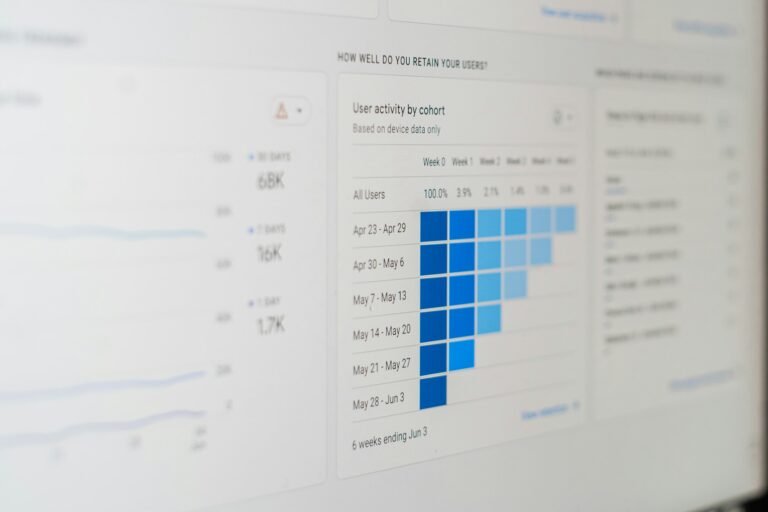
Meta is expanding its AI-powered Business Assistant with more context, creative insights and agentic controls that can help advertisers manage campaigns through conversational prompts.
October 7, 2026: Meta is expanding the role of artificial intelligence inside its advertising business, announcing new tools that can give advertisers more conversational guidance, generate creative elements and eventually perform selected campaign-management actions.
The updates were announced at Advertising Week in New York and centre on an upgraded Meta Business Assistant. Meta says the assistant will use more context about an advertiser’s previous activity, seasonality and stated goals to make its recommendations more relevant.
From answering questions to taking action
The biggest change is that Meta’s advertising AI is moving beyond a simple question-and-answer model. The company is testing more agentic capabilities that can allow the Business Assistant to generate creative elements, update targeting and change an ad budget through conversational prompts.
That represents an important change in campaign management. Instead of navigating several advertising interfaces to make individual adjustments, advertisers could increasingly describe what they want in ordinary language and allow Meta’s systems to translate the request into campaign actions.
More context for recommendations
Meta says the Business Assistant will be able to use information such as what an advertiser tried in the previous quarter, seasonal patterns and the goals the advertiser has described. The company is also testing tools that allow brands to upload strategy and brand-voice guidelines.
For marketers, the quality of the context provided to an AI system could therefore become as important as the quality of the individual prompt. A business with clear brand rules, historical performance data and well-defined objectives gives the system more information with which to make recommendations.
Creative production is becoming part of the workflow
Meta is also expanding Ads Creative Studio, a tool that uses performance data and audience insights to identify what is working and provide AI guidance around creative development.
The direction is significant because creative production has traditionally been separated from campaign optimisation. Meta is increasingly connecting the two: performance data can inform creative recommendations, while creative systems can generate or refine assets for campaigns.
Scheduled reports and alerts
Meta is also testing scheduled tasks, including recurring performance reports and alerts. For marketing teams, this could reduce the need to manually check dashboards for routine changes.
That does not eliminate the need for human oversight. Automated alerts are useful only when teams have clear thresholds and know which signals require action. Poorly configured automation can create noise rather than insight.
What this means for agencies and small businesses
For small businesses without dedicated advertising teams, conversational campaign management could lower the operational barrier to running sophisticated campaigns. An owner could potentially ask the assistant to review performance, suggest changes or prepare creative variations without learning every part of an advertising interface.
Agencies face a different opportunity. Routine campaign operations may become more automated, while strategic work such as positioning, offer development, creative direction, measurement design and business decision-making becomes more important.
The risk: automation without accountability
More agentic advertising also creates a need for stronger controls. Changing targeting or budgets automatically can have financial consequences. Advertisers will need to understand what an AI system is allowed to change, what requires approval and how changes are recorded.
Meta’s direction suggests that the future advertising interface may be less about manually operating every setting and more about supervising an AI system that acts on business objectives and constraints.
What happens next
Many of the new capabilities are being tested or expanded gradually rather than becoming universally available at once. Their practical impact will depend on how accurately the assistant interprets business instructions, how much control advertisers retain and how Meta handles safeguards around automated campaign changes.
For digital marketers, the lesson is straightforward: AI is becoming part of the campaign-management layer itself. Teams that develop strong first-party data, clear brand guidelines and disciplined measurement will be better positioned to use these tools effectively.
Source
Meta Advertising Week announcements and Social Media Today reporting, October 6, 2026.